Strategy
Shoulder season 2026: how to win Oct–Apr
The West of Ireland is booked out in July. Empty in February. Here's how the best tourism businesses are shifting that curve in 2026.
QuantElit Team
Digital Agency · Clifden
Published
Updated
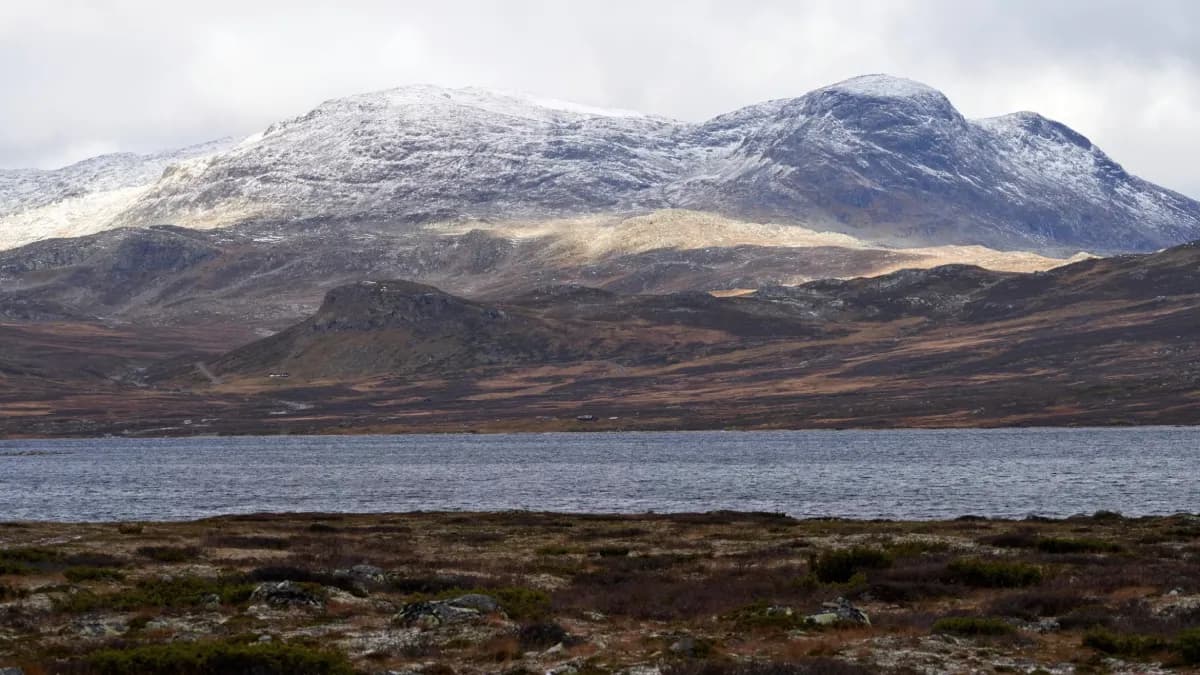
Summer in Connemara sells itself. July and August are sold out before they begin. The harder question — and the more interesting business question — is what to do the other ten months of the year.
Most tourism operators in the West of Ireland still follow the 1990s script: close for November-February, break even in March-April and September-October, make the margin in summer. That model works only if you own the building outright, have no staff payroll, and have no ambition to grow.
The operators best positioned to grow in 2026 are the ones treating October to April as the strategic battleground — because summer is a price taker's market, and shoulder season is where brand and loyalty are built.
What changed in 2025
Three macro shifts made shoulder-season tourism more viable than it has been in a decade:
1. Domestic travel demand is a large, steady share of the market. Public CSO travel data shows Irish domestic trips remaining a significant share of total tourism activity, and demand is less concentrated in July–August than the overseas market. Irish travellers — particularly over-45s and young families — increasingly choose shoulder-season trips to avoid crowds.
2. Remote-work has re-shaped the "week away" market. A quiet, reliable Wi-Fi connection, a comfortable desk, a good coffee shop nearby, and a walk at lunchtime is a real product — and it can be sold Sunday to Thursday, right through the quieter months. The 2026 opportunity is midweek remote-work stays that a traditional tourism operator would have considered too hard to sell.
3. International shoulder-season demand has outgrown supply. German, French, Benelux, and US markets are increasingly seeking off-peak Irish experiences — walking holidays, Wild Atlantic Way road trips, food-led stays. The flights are cheaper. The weather is fine (if you sell it honestly). And Ireland's quality operators still have availability in September and October.
Four plays that work in 2026
Play 1: The "small experiences" calendar
The shoulder-season guest doesn't want nothing. They want something small and specific. A three-hour foraging walk. A morning baking course. A cliff walk with a picnic. A wild-Atlantic-swim-and-sauna package with a nearby outfit.
Build a season calendar of small experiences — three to five events per month from October to April, each bookable separately or as part of a stay. Announce them 90 days out. Market them to your email list, Instagram, and local operators' WhatsApp groups. Small-experience revenue is usually higher-margin than room revenue and sells the room as a side effect.
Play 2: Partner with other operators, not compete
The strongest shoulder-season operators route their guests through a micro-network: a B&B sends its guests to a restaurant which sends its guests to a tour which sends its guests to a gallery — each business getting foot-traffic it wouldn't have won alone.
The mechanism: a shared "off-season pass" or simply a printed local guide featuring six partners. The marginal cost is near zero. The effect on reviews and repeat visits is measurable.
Play 3: Sell the weather honestly
Most tourism marketing hides the weather. In 2026, the operators winning the shoulder-season market lean into it. Storm-watching stays at Aasleagh Falls. Rain-and-reading weekends with a log fire, a bathtub, a bookshelf. A "Connemara in November — bring a coat, we'll do the rest" landing page that is the highest-converting page on the site.
A traveller who books Ireland in November knows it'll rain. Pretending otherwise damages trust. Making the rain part of the product turns it into an asset.
Play 4: Midweek remote-work stays
This is one of the most underserved products in Irish tourism in 2026 — and a fast-growing search pattern, as we cover in what Wild Atlantic Way travellers search in 2026.
A traveller wants:
- Reliable Wi-Fi (speed-test linked on your website, not "we have Wi-Fi")
- A proper desk and chair in the room
- Check-in Sunday afternoon, check-out Thursday morning (or flexible)
- Breakfast served early enough for a 9am meeting
- A cafe or co-working space nearby for variety
- One to two "local experiences" bookable for evenings or the lunch hour
This product sells at slightly below peak-summer nightly rate for 4-night stays, midweek, from late September to May. The customer is typically a remote-worker or a knowledge-economy couple from Dublin, London, or further. Ireland has barely started selling this at the small-operator level.
The marketing calendar
If you are planning to win shoulder season 2026 properly, the calendar looks roughly like this:
- March-April: book early-autumn 2026 campaigns. Lead times for autumn travel run several months, so campaigns need to be live in spring.
- May-June: run a "half-term October" campaign to Irish families and UK schools (half-term week 26-30 October 2026).
- July-August: brag about availability. "September still open at Clifden guesthouse" is a better post than "August sold out" in a year when every operator is sold out in August.
- September: email and Instagram-target previous guests for November and December. Offer loyalty stays at 15-20% off midweek.
- October-November: content push on winter-in-Connemara content. Blog posts, Instagram reels, local partner features.
- December: sell January and February stays as a "slow-start-to-2027" proposition — quiet, reflective, pre-planning the new year.
The numbers to aim for
Public CSO and Fáilte Ireland seasonality data, combined with the playbook above, suggests realistic stretch targets for a well-run 4–6 room Connemara B&B running shoulder season properly:
- Target occupancy in the 55–70% band October to April, against a typical unoptimised baseline closer to 25–40%
- Average nightly rate around 10–15% below summer peak, offset by longer average stays (3+ nights) and stronger ancillary revenue
- A higher repeat-visit rate — shoulder-season guests often build into a repeat-visit base, since they travel for the place rather than the peak-season crowd
These are ranges to aim for, not numbers we have measured for any one operator. For most small operators, shoulder season remains the single biggest unrealised opportunity on the balance sheet.
What gets in the way
Three predictable blockers:
- Operational rigidity — staff only available summer, breakfast service too expensive for two or three rooms in February. The fix: cold-breakfast + coffee-dock in shoulder season, not full service. Guests prefer flexibility to formality.
- Single-channel marketing — relying entirely on Booking.com off-season gives away 15-18% margin on low-margin bookings. Email list + direct-book + a small Meta ads budget is where shoulder-season margin lives.
- Fear of the quiet weeks — it is easier to accept empty November than to risk effort on filling it. The operators winning are the ones who stopped accepting empty months as normal.
Where to start
If you run a small tourism business in Connemara and want a shoulder-season strategy for 2026, three concrete first steps:
- Walk through your last full year's booking data. Identify the three quietest weeks and the three most surprising strong weeks. The strong ones tell you what already works.
- Design one "hero" shoulder-season product. Not ten things. One thing. Name it, price it, build a landing page for it. (Naming the moment is the start of Experience Design.)
- Make October-November 2026 the pilot. Measure everything. Iterate for spring 2027.
Shoulder season is a long game, but it's also a quiet game. Most competitors aren't playing it seriously. Which means right now is when it's cheapest to win it.
Sources
The shoulder-season patterns and domestic-travel observations above draw on public CSO and tourism data:
- CSO Ireland — Tourism and Travel statistics — official Irish tourism statistics.
- Fáilte Ireland — Research & Insights — visitor data and seasonal demand reports.
- Tourism Ireland — Research & Insights — overseas market visitor patterns.
Frequently asked questions
- Can a small tourism business really earn outside the peak season?
- Yes. People already travel the Wild Atlantic Way in autumn and spring for the quieter coast, walking, fireside food, music, and heritage. The work is attaching your business to a reason they are already travelling for — a small bookable experience, an honest sell-the-weather offer, or a midweek remote-work stay. It does not mean fixing seasonality or promising year-round demand; it means earning a real share of the quieter months.
- What sells in the West of Ireland from October to April?
- Four plays work: a calendar of small bookable experiences (a foraging walk, a baking morning, a swim-and-sauna), partnering with nearby operators to route guests to each other, selling the weather honestly (storm-watching and fireside reading weekends), and midweek remote-work stays. Small-experience revenue is usually higher-margin than room revenue and sells the room as a side effect.
- What is a midweek remote-work stay?
- It is a Sunday-to-Thursday product for remote workers: speed-tested Wi-Fi, a proper desk and chair in the room, breakfast served early enough for a 9am meeting, a café or co-working space nearby, and one or two bookable local experiences for the evenings. It sells at slightly below peak-summer nightly rate for four-night midweek stays from late September to May, and it is one of the most underserved products in Irish tourism.
- Should I just drop my prices to fill the quiet months?
- Deep discounting is not the lever. The shoulder-season guest travels for the place rather than the peak-season crowd, so a named reason to come, longer average stays, and stronger ancillary revenue matter more than rate. OTAs are useful for first-time discovery, but off-season margin lives in your own channels — email, direct booking, and a small ads budget.
- Where should I start with a shoulder-season strategy?
- Three steps: walk through last year's booking data to find your quietest weeks and your surprisingly strong ones, design one hero shoulder-season product (one thing — name it, price it, and build a landing page for it), and run October to November as a measured pilot for spring 2027. Naming that one product is the start of Experience Design.
Time for more visitors. More bookings. More growth.
We listen to your goal, your team, your budget — and share how we would approach the work.
Book a free call
or email hello@quantelit.com
Keep reading
More ideas you can use today.
Tactics, trends, and tools other tourism owners are already applying — picked for what's relevant to this article.
- SEO
Wild Atlantic Way 2026: what travellers search
The search terms, AI queries, and planning patterns driving 2026 Wild Atlantic Way bookings — and what tourism operators should be doing about it.
- Experience

Experience Design for Wild Atlantic Way tourism
The named moment, sensory layers, service ritual, and every-channel carry — the four-pillar Experience Design model for Irish tourism businesses.
- Experience
How the best businesses turn places into destinations
What Ireland's Ancient East — EPIC, the Guinness Storehouse, and Newgrange — shows small tourism operators about turning a place into a destination.