SEO
Google Business Profile for Irish tourism in 2026
Ten Google Business Profile changes that moved the needle in 2025 — and how to apply them as an Irish tourism operator in 2026.
QuantElit Team
Digital Agency · Clifden
Published
Updated
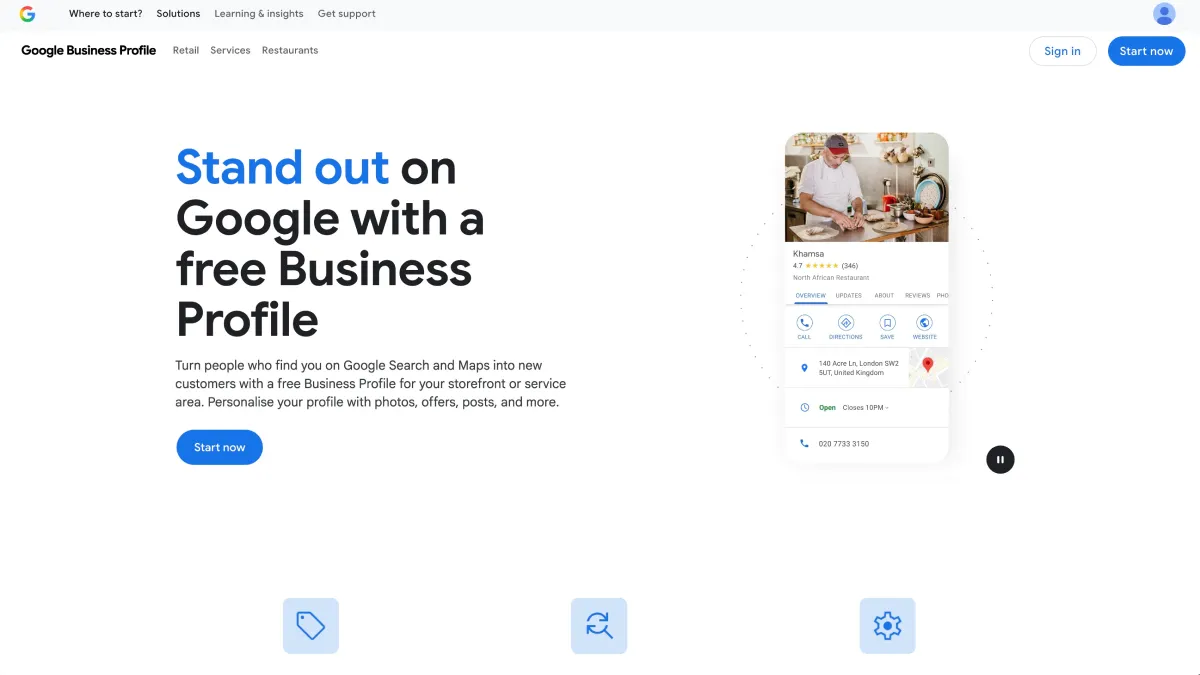
If you run a B&B, guesthouse, restaurant, tour, or activity business in the West of Ireland, your Google Business Profile (GBP) is almost certainly your single most important digital asset — ahead of your website, ahead of TripAdvisor, ahead of Instagram.
In 2025 Google rolled out a series of changes that shifted what "optimised" actually means. Here's what still works in 2026, what doesn't, and a Clifden-first playbook you can apply this week.
What Google actually ranks on in 2026
Google's local ranking still leans on the same three pillars — relevance, distance, and prominence — but the weighting has shifted. In 2026:
- Geotagged photos help confirm your location — keep the GPS metadata your phone adds rather than stripping it
- "Justifications" in search results (e.g. "Guests liked the porridge") are pulled from reviews — so the language reviewers use is now a ranking and display signal
- Booking links in Google (via the Reserve with Google network for hotels and restaurants) meet high-intent mobile users right in the panel, ahead of a phone-call CTA
- Attributes and reviews increasingly feed Google's AI answers ("Ask Maps") as the public Q&A panel is retired — accurate attributes now do the job the Q&A panel used to
If you haven't touched your GBP since you claimed it, you are measurably behind a competitor who touched theirs last week.
The Clifden playbook: ten moves that still work
1. Nail the primary category — once
Pick the most specific category that still describes what you do. "Bed & breakfast" outranks "Hotel" for a small guesthouse in Connemara. "Irish restaurant" outranks "Restaurant". You can add secondary categories, but the primary one drives discovery.
2. Write the description for humans and AI
Google's description is read by both traditional search and by AI answers — Google's AI Overviews and ChatGPT Search. Write one tight paragraph (around 750 characters) that names the place, the experience, and who it's for. Avoid keyword stuffing. Say Connemara, say Wild Atlantic Way, say what a guest actually gets.
3. Add photos every month — with GPS metadata
Modern phones tag photos with GPS by default. Keep it — the metadata helps Google confirm you are where you say you are. Fresh, well-lit, on-brand photos are the part Google and travellers both reward. A realistic cadence: 4–8 fresh photos per month, tagged by category (Food, Rooms, Exterior).
4. Collect reviews in the words you want back
Reviews are harvested for "justifications" — the short snippets Google now shows in search results. If your breakfast is the thing, ask guests "Would you mention the breakfast if you leave us a review?" at check-out. The word breakfast needs to appear in reviews for Google to surface it. This is not manipulation; it's directing attention.
5. Respond to every review within 48 hours
Response rate is a known ranking factor. Response speed is not officially confirmed by Google as a ranking factor, but local-search practitioners (Sterling Sky, BrightLocal) consistently report a correlation between sub-24-hour response cadence and Maps-pack visibility. Template the positive responses, personalise the negatives.
6. Feed the answers Google's AI will give
Google deprecated the public Q&A panel in late 2025 and is replacing it with AI-generated answers ("Ask Maps") that pull from your categories, attributes, reviews and website. So the work has moved: complete every relevant attribute (parking, breakfast, dogs welcome, free Wi-Fi, accessibility), and put the same answers in a clear FAQ on your own website — "Do you have parking?", "Is breakfast included?", "Do you allow dogs?". Accurate attributes and FAQ content are now what Google's AI quotes back to travellers.
7. Use the Products and Services sections
Activity and tour operators: every tour is a Service. B&Bs and guesthouses: every room type is a Product. Restaurants: every menu section can be a Product. These sections are searchable, show up in the panel, and feed Google's understanding of what you actually do.
8. Make your contact paths fast
Google retired native GBP chat in mid-2024, so there is no messaging button to manage any more. What still matters is that the high-intent traveller who taps Call or your website link from the profile reaches someone quickly. Make sure the phone number is right, the website link lands on a page with a visible booking or enquiry path, and any form or WhatsApp you point them to is one you actually monitor. A missed enquiry is a lost booking whether or not Google hosts the inbox.
9. Post weekly updates from April to October
The "Posts" feature is often ignored. Weekly posts during the high season — a new seasonal menu, an Inishbofin day-trip special, a free daily walk from the guesthouse — are indexed and can appear as rich snippets. Out of season, twice a month is enough.
10. Add the Booking link the right way for your business
For hotels and guesthouses, Reserve with Google works through connected providers like SiteMinder, Little Hotelier or Cloudbeds; for restaurants, through OpenTable. If you're connected, a Book or Reserve button appears directly in the GBP panel — meeting the visitor's intent without forcing them to leave Google. For tours and activities, Google replaced Reserve with Google with Google Things to Do ticket links in 2021 — connect through your activity booking provider to surface a "Tickets" link instead.
What no longer moves the needle
A few 2023-era tactics that are now neutral or negative:
- Keyword-stuffed business names — Google has become aggressive about suspending profiles that add "Luxury Beach View Connemara" after a business name
- Fake addresses / virtual offices — detection accuracy is near-total in 2026
- Buying reviews — Google's fake review detection now runs on pattern clustering; mass-purchased reviews are pulled and the profile is flagged
The 30-minute monthly audit
Once a month, set a timer and run through:
- Any unanswered reviews? — respond
- Attributes complete and website FAQ accurate? — top up what's missing
- Photo count this month — add 4–8
- One post from the last week — publish
- Check category — still accurate?
- Call button and website link working, and reaching an inbox you monitor?
Thirty minutes, once a month. That's the bar competitors are clearing in 2026. Most Clifden businesses aren't — which is opportunity.
Where this fits in the bigger picture
Google Business Profile is the first place most travellers land. But in 2026, that traveller is increasingly cross-referencing what they see on Google with what an AI assistant said about you. A well-optimised GBP gives AI engines something accurate to cite. A neglected one gives them something to get wrong. Both channels matter — see how we cover both.
Sources
The local-search ranking observations above draw on the most-cited public research in the GBP / local-pack space:
- Sterling Sky — Local Search Forum & blog — long-running local-search research practice.
- BrightLocal — Local Consumer Review Survey & research — annual consumer-behaviour and local-pack studies.
- Google Business Profile Help Center — official documentation for primary categories, Reserve with Google, messaging, and verification.
Frequently asked questions
- How long until a new Google Business Profile shows in the Maps pack?
- Typically 4–8 weeks for a freshly verified profile in the West of Ireland to appear in the local Maps pack for branded searches. Generic-term Maps-pack ranking ('B&B Connemara', 'restaurant Westport') depends on review velocity, response rate, and primary-category accuracy — measurable lift usually shows by month 3 if you run the 30-minute monthly audit consistently.
- What's the single most important GBP field for tourism businesses?
- The primary category. A small guesthouse listed as 'Hotel' competes against every Hilton in the region; the same property listed as 'Bed & breakfast' competes only against peers and ranks for the right intent. Secondary categories are additive — list every accurate one. The primary category is the single field that drives Maps discovery.
- How often should I post on Google Business Profile?
- Weekly during high season (April–October) and twice a month off-season. Post-frequency correlates with Maps-pack visibility, but quality matters more than volume. A weekly seasonal-menu update from a Roundstone restaurant outperforms three filler posts. Use the Offers / Events / Updates types — Updates is the catch-all and the lowest-friction format.
- Do reviews on Google Business Profile actually affect bookings?
- Yes — both directly (higher ratings and review counts measurably lift click-through and bookings; review signals are widely estimated at around 16–20% of local-pack ranking weight, per BrightLocal's local-ranking-factors research) and indirectly via AI assistant citations (ChatGPT, Gemini, and Perplexity all weight Google reviews heavily when synthesising recommendations). Response rate matters too: respond to every review within 48 hours.
- Should I use Reserve with Google for direct bookings?
- For accommodation and restaurants, yes if your provider supports it — hotels and guesthouses connect through providers like SiteMinder, Little Hotelier or Cloudbeds, and restaurants through OpenTable. It adds a 'Book' or 'Reserve' button directly in the Maps pack and Knowledge panel, removing a click or two of friction. For tours and activities, Google replaced Reserve with Google with 'Things to Do' ticket links in 2021 — connect through your activity booking provider instead.
- What's the biggest GBP mistake Irish tourism operators make?
- Setting it up once at launch and never auditing again. GBP is a living asset: categories shift, photos go stale, reviews accumulate, and Google rolls out new fields every quarter. The most common findings on QuantElit's audits are: hours not updated for the season, no posts in the last 60 days, categories using broad legacy terms, and no reply to negative reviews. The 30-minute monthly audit above fixes all four.
Time for more visitors. More bookings. More growth.
We listen to your goal, your team, your budget — and share how we would approach the work.
Book a free call
or email hello@quantelit.com
Keep reading
More ideas you can use today.
Tactics, trends, and tools other tourism owners are already applying — picked for what's relevant to this article.
- Experience
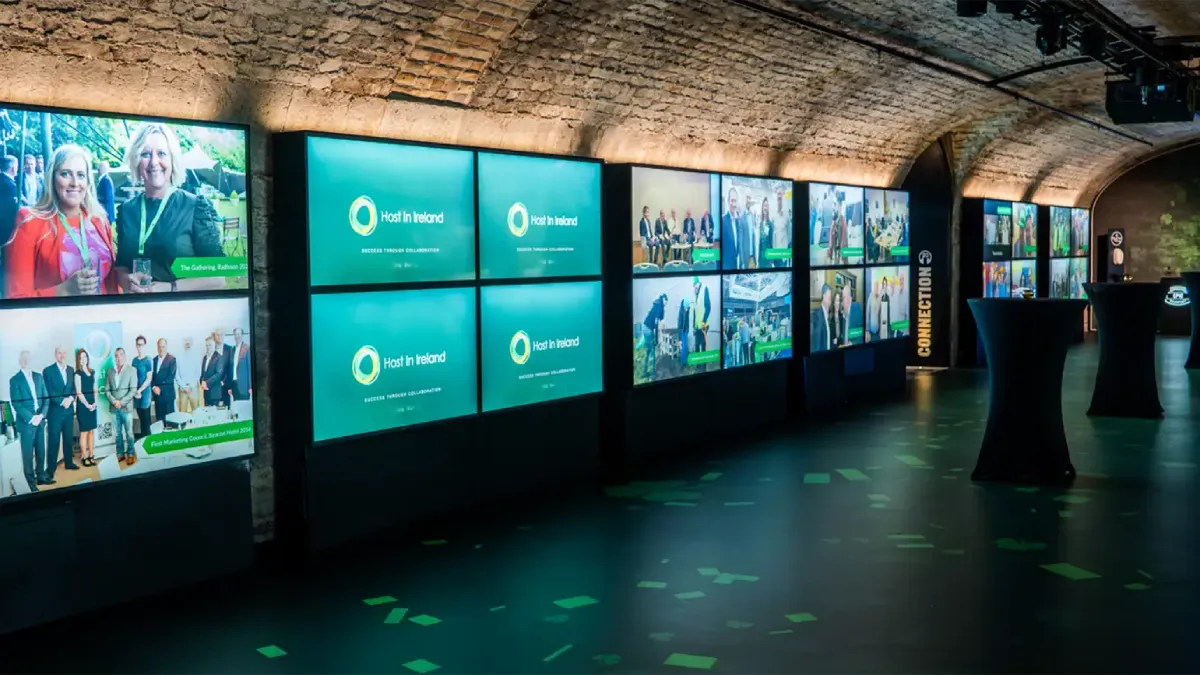
How the best businesses turn places into destinations
What Ireland's Ancient East — EPIC, the Guinness Storehouse, and Newgrange — shows small tourism operators about turning a place into a destination.
- Strategy
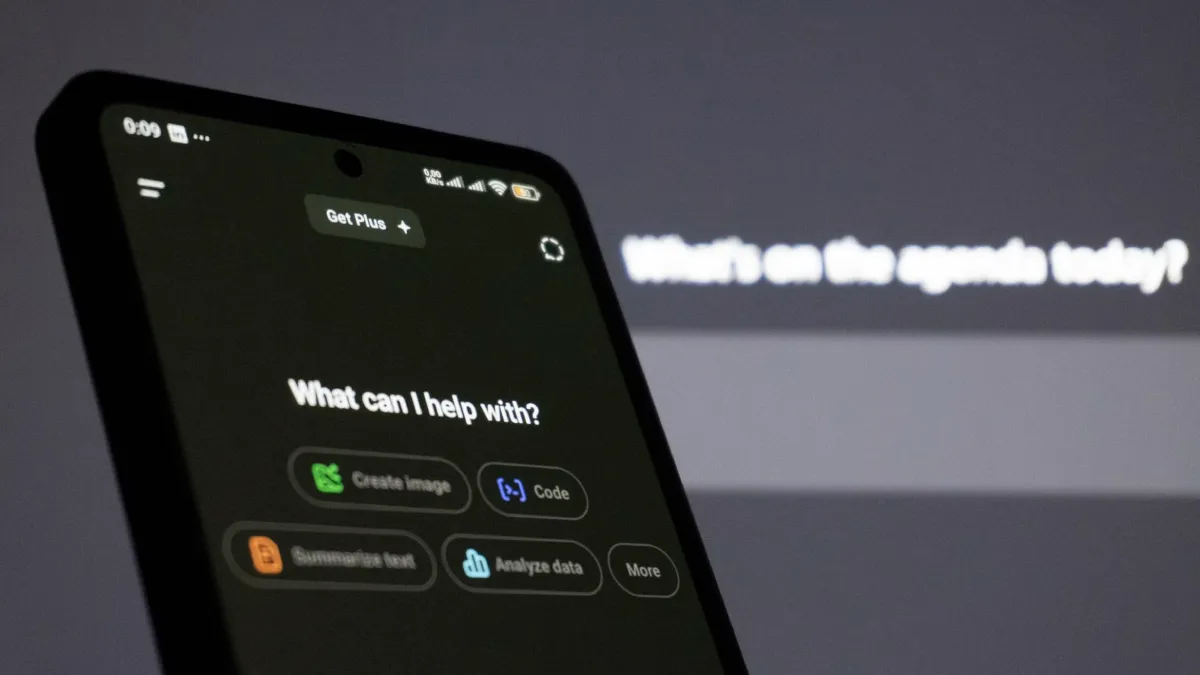
Why AI is changing how customers choose
How AI assistants like ChatGPT are changing the way travellers choose tourism businesses — and the three things that matter most right now.
- SEO
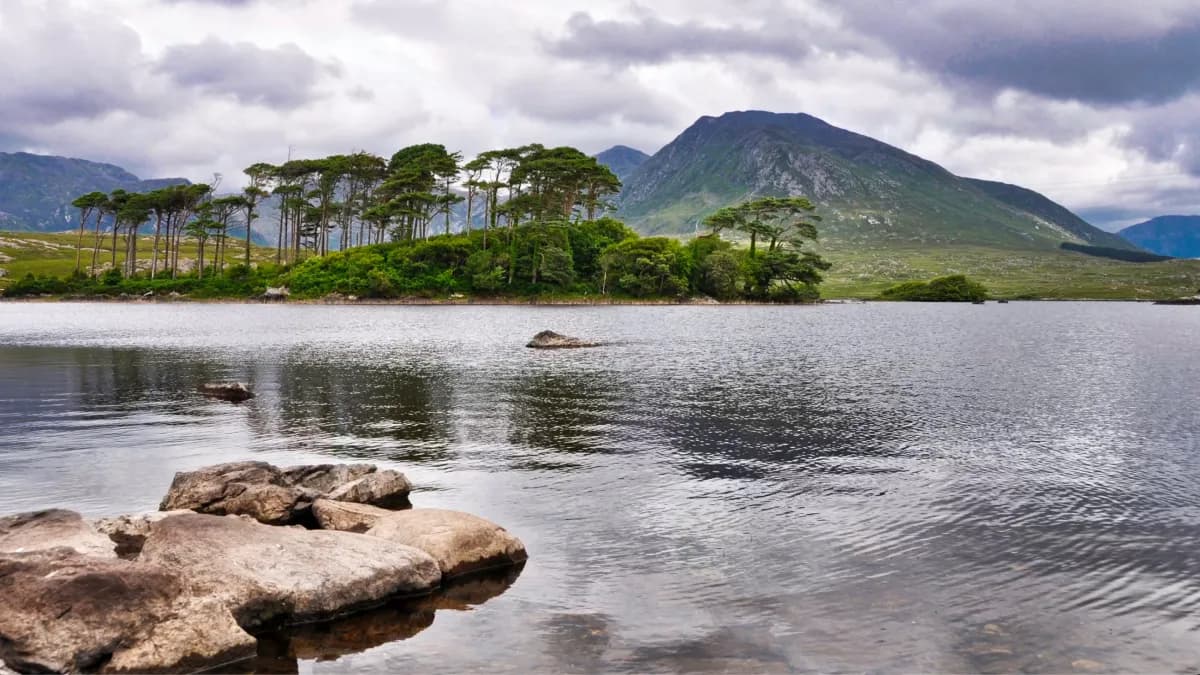
Wild Atlantic Way 2026: what travellers search
The search terms, AI queries, and planning patterns driving 2026 Wild Atlantic Way bookings — and what tourism operators should be doing about it.