Experience
How the best businesses turn places into destinations
What Ireland's Ancient East — EPIC, the Guinness Storehouse, and Newgrange — shows small tourism operators about turning a place into a destination.
QuantElit Team
Digital Agency · Clifden
Published
Updated
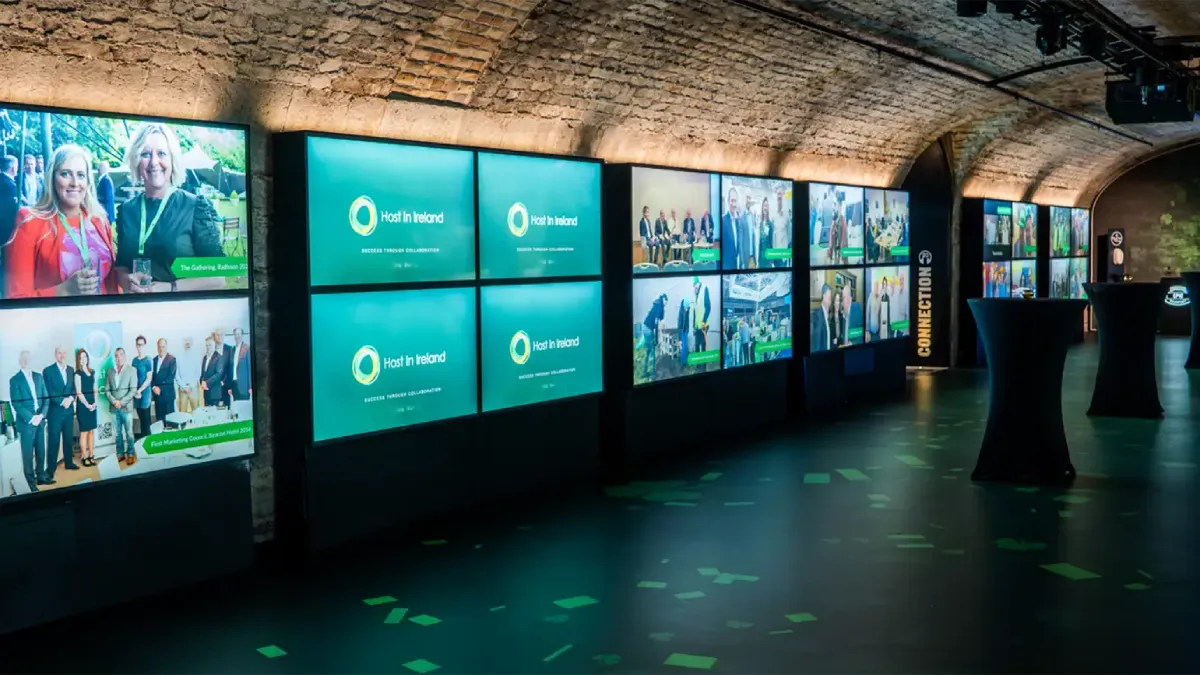
Every business exists in a place. But only some businesses become the place — the reason people travel, return, and tell others.
What separates the two isn't budget or location. It's intentional experience design — and some of the clearest proof anywhere sits on Ireland's own east coast.
A museum with nothing in it
Walk into EPIC The Irish Emigration Museum in Dublin's Docklands and you'll notice something missing: objects. No artefacts, no glass cases, no priceless relics — it's billed as the world's first fully digital museum, twenty interactive galleries telling the story of Irish emigration through light, sound, and designed moments.
And it works. EPIC was voted Europe's Leading Tourist Attraction at the World Travel Awards three years running — 2019, 2020 and 2021 — finishing ahead of the Louvre, the Eiffel Tower, the Colosseum, and Buckingham Palace. A museum with no objects beat the building that holds the Mona Lisa.
That is experience design in its purest form: not a better thing, a better journey through the thing.
A storehouse turned into the country's number one
The Guinness Storehouse is a former fermentation plant at St James's Gate. On paper, it's a brewery's old storage building. In practice, it has been Ireland's most-visited paid attraction since 2010, welcoming around 1.65 million visitors a year.
Nobody queues for a storage building. They come because the visit is designed — a seven-floor journey up through the story of the pint, every floor a deliberate beat, ending in the Gravity Bar with a 360° view over Dublin and a glass in your hand. Same building, same product. The difference is the choreography.
A 5,000-year-old mound people enter a lottery to see
In the Boyne Valley, Newgrange is a passage tomb older than the pyramids. For most of the year it is, quietly, a grass-covered mound. But for a handful of mornings around the winter solstice, the rising sun lines up with the passage and floods the inner chamber with light — and the places to be inside for it are so sought-after that they're allocated by public lottery, with tens of thousands of people applying in a typical year.
The stones didn't change. Someone designed an experience — the solstice moment, the visitor centre, the guided walk into the dark — around something that had been there for five thousand years. That's the most useful lesson of the three, because it's the one every small operator can copy: you don't build a new wonder, you design the moment around what you already have.
The pattern
Across all three, the pattern is identical:
- Something genuine — a real story, place, or product
- Presented intentionally — designed touchpoints that build to a peak
- Made shareable — a moment people photograph, describe, and recommend
EPIC had the story. Guinness had the building and the pint. Newgrange had the stones and the sun. None of them invented their raw material — they designed the journey through it.
What this means for your business
You don't need a Docklands budget or a 5,000-year-old monument. You need clarity about the one moment that makes your place worth choosing — the eight-o'clock light over the bay, the first drink by the fire, the walk you'd send every guest on — and a system that carries it from the first Google search to the email after they leave.
That is what Experience Design does on the Wild Atlantic Way exactly as it does on the east coast: it takes what you already have and makes it visible, coherent, and memorable.
Frequently asked questions
- What does turning a place into a destination actually mean?
- It means designing the journey through what you already have so people travel for it, return, and recommend it — not building a new attraction. EPIC, the Guinness Storehouse, and Newgrange each took genuine raw material (a story, a building, ancient stones) and designed intentional, shareable moments around it. The same approach is open to a small Wild Atlantic Way business.
- Do I need a big budget to design a memorable experience?
- No. Newgrange is the most useful example precisely because the stones never changed — someone designed an experience around something already there, from the solstice moment to the guided walk into the dark. For a small operator the work is clarity about the one moment that makes your place worth choosing, then carrying it across every channel, not capital spending.
- What is the pattern behind the best visitor experiences?
- Three things, every time: something genuine (a real story, place, or product), presented intentionally (designed touchpoints that build to a peak), and made shareable (a moment people photograph, describe, and recommend). EPIC had the story, Guinness the pint, Newgrange the stones and the sun — none invented their raw material; they designed the journey through it.
- How does this connect to QuantElit's Experience Design service?
- Experience Design is the layer that takes what you already have and makes it visible, coherent, and memorable — a named moment, sensory layers, a service ritual, and the same moment carried across every channel a guest sees. It is mapped during Discovery (€500) and built into the Build package, so the destination thinking above becomes a concrete plan for your own place.
Time for more visitors. More bookings. More growth.
We listen to your goal, your team, your budget — and share how we would approach the work.
Book a free call
or email hello@quantelit.com
Keep reading
More ideas you can use today.
Tactics, trends, and tools other tourism owners are already applying — picked for what's relevant to this article.
- Strategy

The Browsing stage: where a Wild Atlantic Way trip begins
A Wild Atlantic Way trip begins long before the search bar — in the Browsing stage. What gets a tourism business onto a traveller's shortlist.
- SEO
Wild Atlantic Way 2026: what travellers search
The search terms, AI queries, and planning patterns driving 2026 Wild Atlantic Way bookings — and what tourism operators should be doing about it.
- Experience

Experience Design for Wild Atlantic Way tourism
The named moment, sensory layers, service ritual, and every-channel carry — the four-pillar Experience Design model for Irish tourism businesses.